Language: English

















Reinforced Coke Storage Bunker
Carbon Fiber
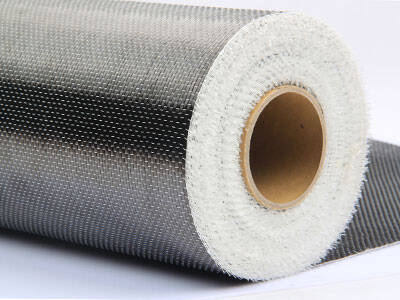
This project is a typical application of CFRP wet lay-up strengthening technology forlarge-span heavy-load industrial floor slabs in extreme Central Asian industrial environments, solving the common structural problems of coke storage silos such as long-term stacking overload, slab deflection, crack propagation and environmental corrosion aging.

Project Overview
Item | Detail |
Project Type | Industrial facility structural strengthening |
Location | Kazakhstan |
Application | Large-scale coke storage silo & stockyard floor system |
Structural Member | Reinforced concrete floor slabs |
Strengthening Method | Externally bonded unidirectional CFRP fabric (wet lay-up system) |
Strengthening Purpose | Improve slab flexural capacity, reduce deflection, restrain crack propagation, and upgrade live-load bearing capacity for heavy coke stacking |
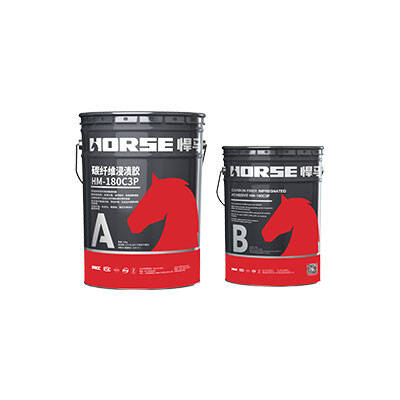
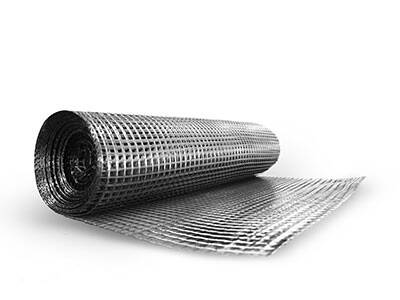
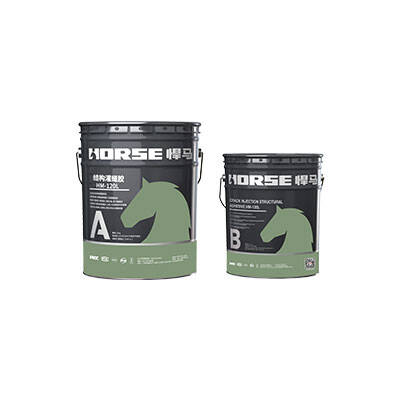
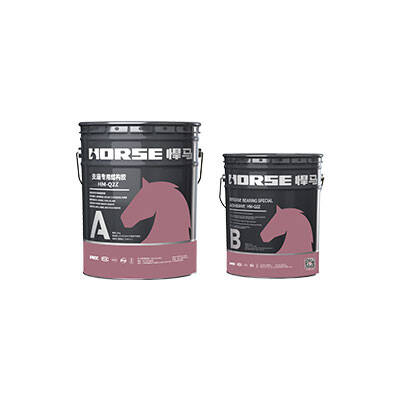
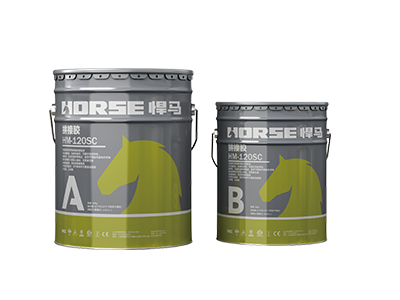
Materials Supplied | High-strength unidirectional CFRP fabric + epoxy impregnation & bonding adhesive |
Supplied by | Horse Construction |

Kazakhstan is a core production and export base for metallurgical coke in Central Asia, with numerous large open-type and semi-enclosed coke storage silos and stockyards serving coking and steel industrial zones. These facilities undertake long-term, large-area bulk coke stacking, material handling, and frequent vehicle and loader passage, placing rigorous and sustained load demands on concrete floor slabs.
Unlike structural beams that bear concentrated linear loads, silo floor slabs withstand uniform large-area dead loads, frequent partial concentrated stacking loads, and dynamic impact loads from material piling and mechanical operation. The existing reinforced concrete floor slabs in this project suffered continuous structural degradation under long-term harsh industrial service conditions:
1. Long-term heavy uniform stacking load
The floor slabs bear sustained self-weight of thick coke accumulation far exceeding the original designed live load standard. Long-term overloading causes continuous tensile stress at the slab bottom, leading to gradual fatigue damage, reduced overall stiffness, and excessive downward deflection.
2. Local concentrated overload and dynamic impact
Irregular manual and mechanical stacking forms local thick coke accumulation, producing partial concentrated loads on the slab. Frequent loader transportation and material dumping generate repeated dynamic impact, further expanding microcracks at the slab tension zone and accelerating structural performance attenuation.
3. Harsh industrial and climatic corrosion
The site features high-density coke dust, fine abrasive particles, and trace chemical corrosive components. Coupled with Kazakhstan’s extreme continental climate — extreme temperature alternation from –40°C in winter to +35°C in summer — the concrete slab surface undergoes repeated freeze-thaw cycles and thermal expansion and contraction, resulting in surface carbonization, mortar peeling, and gradual corrosion of internal steel reinforcement.
4. Structural disease development
Long-term super-limit tension and fatigue stress caused extensive fine tensile cracks on the slab bottom. Without timely reinforcement, the cracks would continue to extend and penetrate, leading to further stiffness loss, aggravated deflection, and even local slab damage, which would force production suspension and bring major safety risks to coke storage and transportation operations.
To restore slab structural safety, meet upgraded heavy stacking load requirements, and extend the service life of industrial floor structures, targeted CFRP fabric strengthening was adopted for all defective floor slabs.

Strengthening Solution
Selected Method: Externally Bonded CFRP Fabric (Wet Lay-Up System)
After comprehensive evaluation of slab stress characteristics, existing defects, on-site production continuity requirements, and extreme environmental adaptability, the wet lay-up CFRP fabric strengthening system was finalized as the optimal solution. This mature industrial strengthening technology uses high-strength unidirectional carbon fiber fabric, fully impregnated and bonded with structural epoxy adhesive on-site, forming a high-strength lightweight composite reinforcement layer that works collaboratively with the original concrete slab.

Strengthening Configuration & Working Principle for Floor Slabs
Location: Bottom tension surface of concrete floor slabs
Orientation: Main fiber direction arranged along the slab’s main stress span
Core Working Principle
Concrete has excellent compressive performance but almost no tensile capacity. Under heavy coke stacking loads, the floor slab bends downward, and the slab bottom bears all tensile stress. After pasting CFRP fabric on the slab bottom tension zone, the high-tensile-strength carbon fiber layer replaces and compensates for the insufficient tensile capacity of original steel bars and concrete, effectively constraining slab bending deformation, reducing deflection, and inhibiting the opening and expansion of structural cracks.
For large-area industrial slabs with partial concentrated overload areas, local multi-layer CFRP reinforcement was adopted to realize partitioned targeted strengthening, ensuring uniform bearing performance of the entire silo floor system.

Key Project Value
1. Recover and upgrade floor bearing capacity: Effectively restrain slab bending deformation and crack development, thoroughly eliminate structural safety hazards caused by long-term heavy coke stacking, and meet long-term upgraded heavy-load operation requirements.
2. Adapt to harsh industrial and extreme climate: The corrosion-resistant and anti-fatigue performance of CFRP materials perfectly solves the structural durability problems of concrete floors in coke dust pollution, large temperature difference and freeze-thaw environments.
3. Zero impact on factory normal operation: Zoned uninterrupted construction realizes perfect balance between structural reinforcement and industrial production continuity, avoiding economic losses caused by overall shutdown.
4. Optimize industrial floor strengthening scheme: Verified the advantages of CFRP lightweight, high-strength, non-increased section and durable performance in large-area industrial slab reinforcement, providing a reliable reference for similar coke chemical and heavy industrial storage facility renovation projects in Kazakhstan and Central Asia.